
Contact lenses can provide convenient vision correction, but they sit directly on the surface of your eyes, making good hygiene especially important. Simple habits such as washing and drying your hands, avoiding water exposure, following replacement schedules, and recognizing warning signs can reduce unnecessary risks.
Whether you wear daily disposables or reusable lenses, always follow the specific instructions provided for your lenses and care system.
Wash and Dry Your Hands First
Before inserting or removing your contacts, wash your hands thoroughly with soap and water, rinse them completely, and dry them with a clean, lint-free towel when possible.
Unwashed hands can transfer microorganisms, oils, cosmetics, and debris to your lenses and eyes. Wet hands can also introduce water and contaminants, so drying them properly is an important part of the routine.
Keep Contact Lenses Away From Water
Water isn’t sterile and shouldn’t be used to clean or store contact lenses.
Avoid exposing your lenses to tap water, showers, swimming pools, hot tubs, lakes, rivers, and ocean water. Water can contain microorganisms capable of causing serious corneal infections, and contact lenses may trap contaminants against the eye.
Removing contacts before showering or swimming is generally the safer approach.
Follow Your Replacement Schedule
Don’t continue wearing a lens beyond its prescribed replacement period simply because it still feels comfortable.
Daily disposable contacts are intended for one wearing day and shouldn’t be cleaned, stored overnight, and reused. Reusable lenses require cleaning, disinfection, and storage according to their specific care instructions.
It’s also important to distinguish between a lens’s replacement schedule and its wearing schedule. For example, a reusable lens intended to be replaced monthly may still need to be removed every night.
Use Contact Lens Solution Correctly
If you wear reusable contacts, use fresh disinfecting solution according to the care-system instructions.
Never “top off” used solution by adding fresh liquid to what’s already in the case. Don’t substitute ordinary saline for disinfecting solution, and don’t transfer solution into another container unless specifically directed.
Some care systems require special procedures. Hydrogen peroxide systems, for example, require their designated case and complete neutralization before the lenses can safely be placed in your eyes.
Keep Your Lens Case Clean
Reusable-lens cases can become contaminated and need regular care.
Clean and dry the case according to professional and care-system instructions, and don’t use tap water as a substitute for the recommended solution. Replace the case as advised and sooner if it becomes damaged, dirty, or contaminated.
Keeping the case away from sink and shower splash zones can also help reduce unnecessary exposure to water and contaminants.
Avoid Sleeping in Contacts Unless Prescribed
Sleeping in contact lenses can increase the risk of infection and other complications.
Some lenses may be designed for extended or overnight wear, but that doesn’t mean they’re appropriate for everyone. Only sleep in contacts when an eye-care professional has specifically prescribed that lens and wearing schedule for you.
If you accidentally fall asleep in your contacts and a lens feels dry or stuck, don’t forcefully remove it.
Pay Attention to Warning Signs
Pain, significant redness, unusual light sensitivity, sudden or worsening blurred vision, excessive tearing, discharge, swelling, or persistent irritation shouldn’t simply be treated by inserting a fresh pair of contacts.
Remove your lenses when safely possible and seek prompt professional evaluation when significant symptoms occur.
Keeping backup eyeglasses available can make it easier to stop wearing contacts when your eyes need a break.
Handle Your Lenses Carefully
Inspect each lens before inserting it. Don’t use a contact that’s torn, chipped, visibly dirty, contaminated, or damaged.
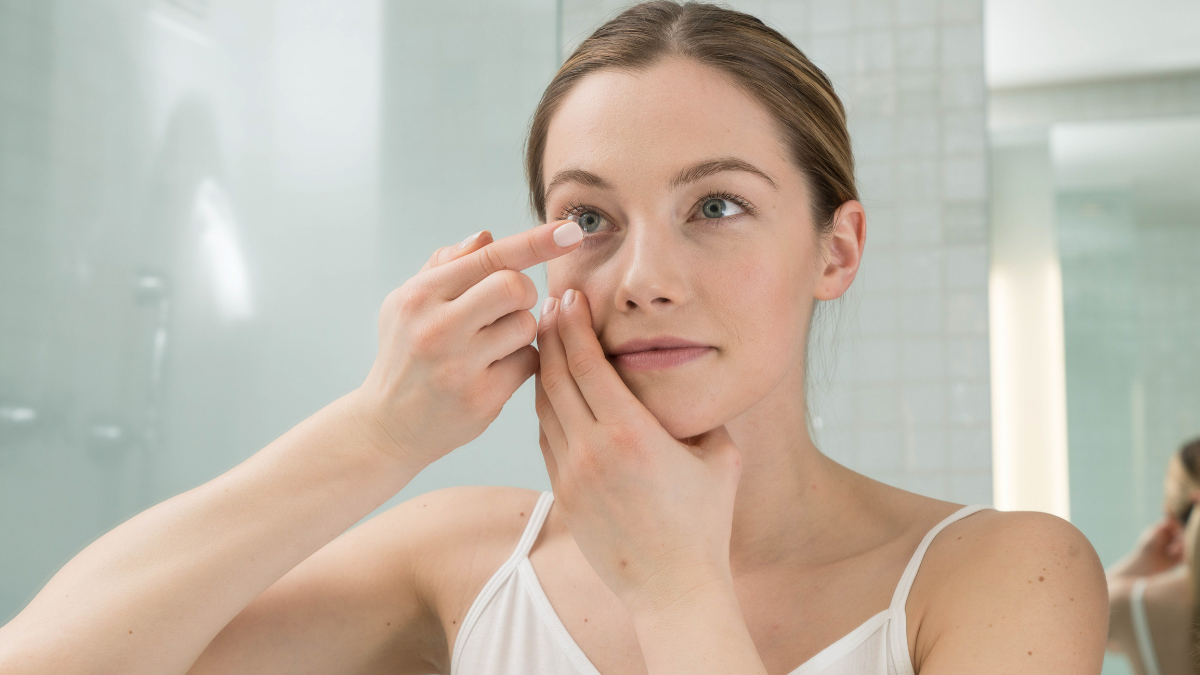
Handle lenses primarily with the pads of your fingertips rather than your fingernails, and choose a clean, well-lit area for insertion and removal.
Never share contacts with another person, including decorative or cosmetic lenses. Contact lenses are individually fitted and prescribed, and sharing them can introduce microorganisms or result in an improper fit.
Give Your Eyes a Safe Daily Routine
Healthy contact lens habits are largely about consistency. Wash and completely dry your hands, inspect your lenses before insertion, keep them away from water, follow wearing and replacement schedules, and use only compatible care products.
Regular eye examinations are also important because an eye-care professional can evaluate your vision, lens fit, and overall eye health even when your contacts still feel comfortable.
If discomfort, redness, dryness, or blurred vision keeps returning, don’t simply accept it as part of wearing contacts. Persistent problems deserve professional evaluation so you can continue using vision correction safely and comfortably.