
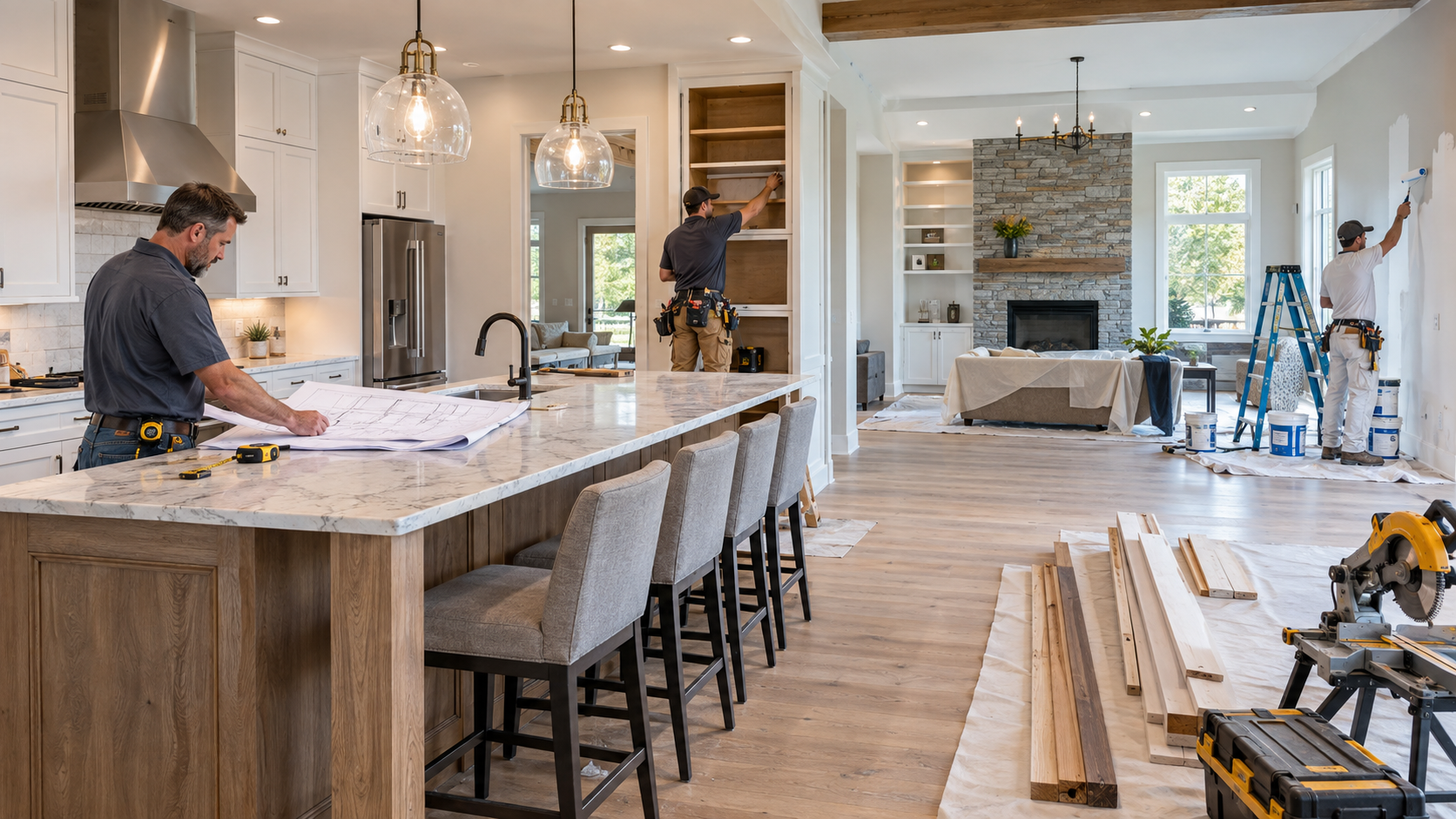
A home can start to feel outdated, cramped, or less functional as your needs change. Home remodeling services can help you update important areas, improve comfort, and make better use of the space you already have.
From refreshing a kitchen to renovating a bathroom or improving several rooms at once, professional remodeling can give you a clearer path from planning to completion.
The key is choosing improvements that fit your goals, budget, and daily routine. A successful remodel does not have to involve changing every room.
Even focused updates can make your home easier to use and more enjoyable to live in.
How Home Remodeling Services Can Improve Your Living Space
Professional home remodeling services may cover everything from small interior upgrades to larger structural projects.
Contractors can help coordinate planning, demolition, construction, installations, and finishing work.
Depending on your project, remodeling services may include:
- Kitchen renovations
- Bathroom remodeling
- Basement finishing
- Flooring replacement
- Interior painting
- Cabinet installation
- Lighting upgrades
- Room additions
- Wall removal or relocation
- Door and window replacement
- Storage improvements
- Whole-home renovations
Working with experienced professionals can make it easier to manage several parts of a renovation without coordinating every trade separately.
Why You May Consider Remodeling Your Home
There are many reasons you might decide to renovate. Some homeowners want a more modern appearance, while others need practical changes that improve how their homes function.
Common reasons include:
Your Layout No Longer Works
A layout that once worked well may feel inconvenient as your household changes. You may want a larger kitchen, an additional bedroom, better storage, or a more open living area.
Your Home Looks Outdated
Old flooring, cabinets, lighting, wall finishes, and fixtures can make otherwise functional spaces feel dated. Remodeling allows you to update these features without moving to another property.
You Need More Storage
Built-in shelving, larger cabinets, pantry improvements, and redesigned closets can help reduce clutter and make your home more organized.
Certain Areas Need Repairs
Water damage, worn flooring, broken cabinetry, outdated plumbing fixtures, or damaged walls may eventually require more than basic maintenance.
Renovation gives you the chance to repair these issues while updating the space.
Popular Kitchen Remodeling Projects
The kitchen is often one of the most frequently renovated spaces because it combines cooking, storage, dining, and everyday household activity.
Popular kitchen improvements include:
- Installing new cabinets
- Replacing countertops
- Adding a kitchen island
- Upgrading lighting
- Installing new flooring
- Improving pantry storage
- Replacing backsplashes
- Updating sinks and faucets
- Changing the layout
- Creating additional workspace
You do not always need a complete kitchen replacement. Repainting cabinets, updating hardware, replacing lighting, or installing a new backsplash may noticeably refresh the room at a lower cost.
Bathroom Remodeling Can Improve Comfort and Function
Bathrooms are another common focus for residential remodeling services. Older bathrooms may have limited storage, worn fixtures, poor lighting, or layouts that no longer meet your needs.
Bathroom remodeling may involve:
- Replacing a bathtub
- Installing a walk-in shower
- Updating bathroom vanities
- Replacing sinks and faucets
- Adding storage cabinets
- Installing new tile
- Improving ventilation
- Upgrading lighting
- Replacing flooring
Accessibility improvements may also include grab bars, low-threshold showers, wider doorways, and seating areas.
Whole-Home Remodeling for Larger Changes
A whole-home renovation may be useful when several areas need updates at the same time. Instead of renovating one room every few years, you may choose to coordinate multiple improvements within one larger project.
Whole-home remodeling can involve changes to:
- Kitchens
- Bathrooms
- Bedrooms
- Living rooms
- Flooring
- Lighting
- Plumbing
- Electrical systems
- Interior walls
- Storage spaces
Larger projects usually require more detailed planning because different parts of the home may need to be completed in a specific order.
How Much Do Home Remodeling Services Cost?
Home renovation costs can vary widely depending on the size of your project, your location, material choices, labor rates, and the amount of structural work required.
Smaller cosmetic updates may cost a few thousand dollars, while kitchen renovations, bathroom remodels, additions, and whole-home projects can cost considerably more.
Major factors affecting your remodeling budget include:
- Room size
- Material quality
- Labor costs
- Plumbing changes
- Electrical work
- Structural modifications
- Permits
- Custom cabinetry
- Appliance upgrades
- Unexpected repairs
Before work begins, ask for a detailed written estimate so you can understand what is included.
Create a Realistic Home Renovation Budget
Your budget may need to cover:
- Materials
- Contractor labor
- Design fees
- Permits
- Waste removal
- Delivery charges
- Fixtures
- Appliances
- Temporary accommodations
- Unexpected expenses
Keeping some money available for unforeseen repairs can also help prevent budget problems if contractors uncover damaged wiring, plumbing, flooring, or framing.
How to Choose a Home Remodeling Contractor
Choosing the right home remodeling contractor can have a major effect on the quality and organization of your project.
Before hiring someone, consider checking:
Experience
Look for contractors who have completed projects similar to yours.
Licensing and Insurance
Requirements vary by location, so confirm that the contractor meets applicable local rules.
References
Ask for examples of previous projects and references from recent customers.
Written Estimates
A detailed quote should explain labor, materials, project scope, payment terms, and expected timelines.
Communication
Your contractor should be able to explain project steps clearly and respond to questions throughout the renovation.
Avoid choosing a contractor based only on the lowest price. Comparing the full scope of work can give you a better understanding of overall value.
Questions to Ask Before Hiring Remodeling Professionals
Before signing a contract, ask questions such as:
- How long have you been completing similar remodeling projects?
- Who will supervise the work?
- Which parts of the project will be subcontracted?
- Are permits required?
- What payment schedule do you use?
- How are unexpected costs handled?
- What happens if the project schedule changes?
- Is cleanup included?
- Are workmanship warranties available?
- How will project changes be documented?
Clear answers can reduce confusion once construction begins.
Plan Your Remodeling Project Around Your Daily Routine
Construction can temporarily disrupt your normal schedule. Kitchens may become unavailable, bathrooms may be closed for periods of time, and noise or dust can affect nearby rooms.
Before the project begins, consider:
- Where you will prepare meals
- Which bathroom you will use
- Where pets will stay during construction
- How contractors will enter the home
- Where furniture will be stored
- How dust will be contained
- What hours work will take place
Planning these details early can make the renovation process easier to manage.
Choose Remodeling Materials Carefully
Material choices influence appearance, durability, maintenance, and cost. A product that looks attractive may not always be the best option for a busy area.
For example, you may want to consider:
- Moisture-resistant bathroom materials
- Durable kitchen countertops
- Easy-to-clean flooring
- Low-maintenance cabinet finishes
- Energy-efficient lighting
- Scratch-resistant surfaces
Think about how each material will perform during everyday use, not just how it looks in a showroom.
Remodeling Can Improve Energy Efficiency
Certain renovations may also help reduce household energy use.
Possible upgrades include:
- Energy-efficient windows
- Improved insulation
- LED lighting
- Efficient appliances
- Updated heating and cooling equipment
- Weather-sealed exterior doors
- Smart thermostats
The potential savings depend on your home’s condition, local climate, energy prices, and the improvements you choose.
Avoid Making Too Many Last-Minute Changes
Changing materials or layouts after construction begins can increase costs and extend the project timeline.
Before work starts, try to finalize:
- Flooring
- Paint
- Cabinets
- Countertops
- Fixtures
- Lighting
- Hardware
- Appliances
- Tile
Some changes may still be necessary during construction, but making major decisions earlier can reduce delays.
Keep Functionality at the Center of Your Design
Trends can provide inspiration, but your remodeled space should work well for your everyday life.
Ask yourself:
- Do you have enough storage?
- Is the room easy to move through?
- Are frequently used items easy to reach?
- Is there enough lighting?
- Are surfaces easy to maintain?
- Will the layout still work several years from now?
A practical renovation often stays useful longer than one designed mainly around short-term trends.
Build a Better Living Space With Professional Remodeling Support
Renovating your home gives you an opportunity to improve comfort, appearance, storage, and functionality without relocating.
Start by identifying the areas that need the most attention. Set a realistic budget, compare contractors carefully, and make major design decisions before construction begins.
With thoughtful planning, your remodel can create a home that better supports your lifestyle while helping you make more effective use of your existing space.