
Hiring experienced remodeling contractors can make a major difference when you want to improve the comfort, appearance, and functionality of your home.
From updating kitchens and bathrooms to renovating entire living spaces, the right contractor can help turn your plans into a well-organized remodeling project.
Understanding these factors can help you make informed decisions and reduce the risk of costly delays or unexpected problems.
What Do Remodeling Contractors Do?
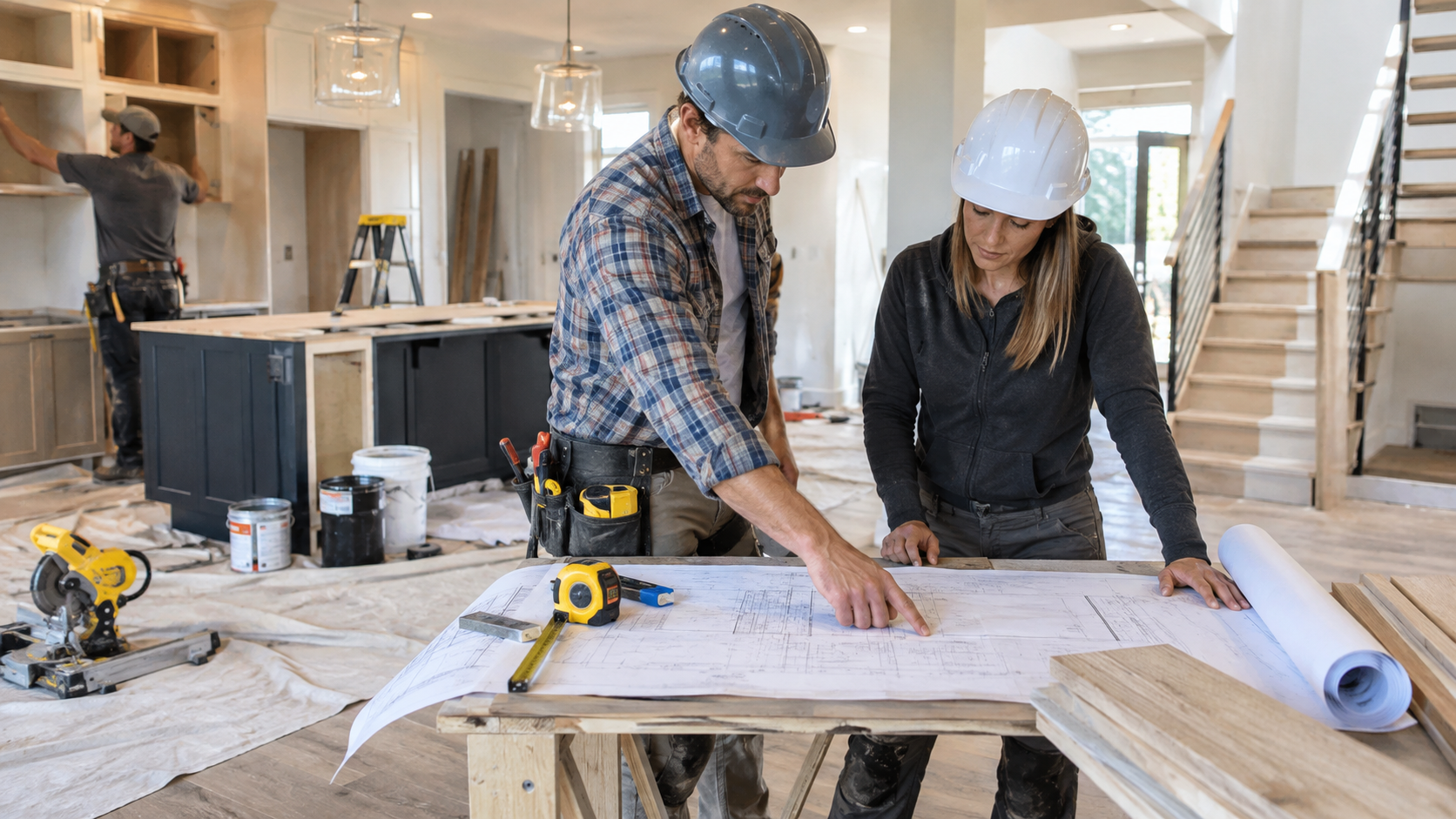
Remodeling contractors coordinate and manage home improvement projects from planning through completion.
Depending on the project, they may handle construction directly or work with specialized professionals such as electricians, plumbers, painters, flooring installers, and cabinet specialists.
Common responsibilities may include:
- Reviewing your renovation goals
- Preparing project estimates
- Helping you select materials
- Coordinating subcontractors
- Obtaining necessary permits
- Managing construction schedules
- Monitoring workmanship
- Handling inspections
- Keeping you updated throughout the project
A remodeling contractor often serves as your main point of contact, helping simplify a project that might otherwise require you to coordinate several trades yourself.
Common Projects Remodeling Contractors Handle
Contractors may specialize in certain types of renovations, while others provide full-service remodeling.
Kitchen Remodeling
Kitchen renovations often involve several different trades. Contractors may coordinate cabinet installation, countertop replacement, flooring, plumbing, electrical work, lighting, painting, and appliance installation.
A kitchen remodel can range from a basic cosmetic refresh to a complete redesign involving new layouts and structural changes.
Bathroom Remodeling
Bathroom projects may include replacing showers, bathtubs, vanities, sinks, flooring, lighting, fixtures, and storage.
Contractors can also help manage waterproofing, plumbing adjustments, ventilation improvements, and tile installation.
Basement Remodeling
An unfinished basement may be converted into additional usable living space.
Popular basement renovation projects include:
- Family rooms
- Home offices
- Guest bedrooms
- Entertainment spaces
- Exercise rooms
- Storage areas
Additional building codes may apply when adding bedrooms, bathrooms, or other living spaces.
Whole-Home Remodeling
Whole-home renovations can involve updating several areas at the same time.
These projects may include flooring replacement, kitchen improvements, bathroom renovations, interior painting, lighting upgrades, layout changes, and structural modifications.
Because these projects are more complex, experienced project management becomes particularly important.
Room Additions
Some remodeling contractors also manage home additions.
Possible additions include:
- Extra bedrooms
- Expanded kitchens
- Sunrooms
- Home offices
- Family rooms
- Additional bathrooms
Home additions usually require more extensive design, permitting, foundation work, and structural planning than standard interior renovations.
How Much Do Remodeling Contractors Cost?
Remodeling costs can vary significantly based on your location, project size, materials, labor requirements, and structural complexity.
Typical project costs may fall within broad ranges such as:
- Small room updates: $5,000–$15,000
- Bathroom remodels: $8,000–$30,000+
- Kitchen remodels: $15,000–$75,000+
- Basement remodeling: $20,000–$75,000+
- Major whole-home renovations: $50,000–$200,000+
These figures are general estimates rather than guaranteed prices. Luxury finishes, structural work, custom cabinetry, plumbing relocation, or electrical upgrades can increase costs considerably.
Contractors may charge using different pricing methods, including fixed project pricing, labor-and-material pricing, or cost-plus arrangements.
What Affects Remodeling Costs?
Several factors influence your final renovation budget.
Project Size
Larger remodeling projects generally require more labor, materials, and project management.
Material Quality
Material choices can dramatically affect costs.
For example, stock cabinets and laminate countertops usually cost less than custom cabinetry and premium stone surfaces.
Labor Requirements
Projects involving skilled trades such as plumbing, electrical work, masonry, or structural modifications may carry higher labor expenses.
Existing Home Conditions
Older homes can sometimes reveal hidden problems once construction begins.
Possible issues include:
- Outdated wiring
- Old plumbing
- Water damage
- Mold
- Structural deterioration
- Insufficient insulation
Keeping a contingency fund can help cover unexpected repairs.
Permits and Inspections
Some remodeling projects require local permits and inspections. Permit costs vary depending on location and project type.
How to Choose Remodeling Contractors
Selecting the right professional deserves careful consideration.
Verify Licensing and Insurance
Check that the contractor meets applicable licensing requirements in your area.
You may also want to confirm that the company carries appropriate liability insurance and workers’ compensation coverage when required.
Review Previous Work
Ask contractors to show photographs or examples of completed projects similar to yours.
A strong portfolio can help you understand their construction quality and design capabilities.
Ask for References
Consider contacting previous clients.
Useful questions include:
- Was the project completed close to schedule?
- Were unexpected costs explained clearly?
- Was the contractor responsive?
- Was the worksite kept organized?
- Were problems handled professionally?
Get Multiple Estimates
Comparing several estimates can help you understand typical pricing.
Avoid focusing exclusively on the lowest bid. A significantly cheaper estimate may exclude materials, permits, cleanup, or other important services.
Review the Contract Carefully
Your remodeling agreement should clearly explain the project.
Important details may include:
- Project scope
- Materials
- Payment schedule
- Start date
- Estimated completion date
- Warranty information
- Change-order procedures
- Cleanup responsibilities
Clear documentation reduces misunderstandings later.
Questions to Ask Remodeling Contractors
Before hiring someone, prepare questions about both the project and their business practices.
You might ask:
- How long have you been remodeling homes?
- Have you completed projects similar to mine?
- Who will supervise the work?
- Will subcontractors be involved?
- Who obtains permits?
- How will project changes be approved?
- How often will you provide progress updates?
- What warranties are available?
- How will the worksite be protected?
- What happens if unexpected repairs are discovered?
A contractor who communicates clearly before construction begins may also be easier to work with once the project is underway.
Why Detailed Estimates Matter
A remodeling estimate should provide more information than one final price.
A useful estimate may separate costs for:
- Labor
- Materials
- Fixtures
- Cabinets
- Flooring
- Electrical work
- Plumbing
- Permits
- Disposal
- Project management
Detailed estimates make contractor comparisons easier because you can see what each company actually includes.
Understanding Remodeling Timelines
Project timelines vary depending on complexity.
Minor renovations may take several days or weeks, while larger remodels can take several months.
Potential sources of delays include:
- Material backorders
- Permit processing
- Inspection scheduling
- Design revisions
- Structural discoveries
- Weather
- Subcontractor availability
Ask your contractor how scheduling delays will be communicated and handled.
Planning Your Remodeling Budget
Create a realistic budget before construction begins.
Your budget should include more than the contractor’s original estimate.
Consider setting money aside for:
- Construction
- Materials
- Design services
- Permits
- Temporary housing
- Storage
- Furniture
- Unexpected repairs
Many homeowners also maintain an additional contingency reserve for unforeseen expenses.
Avoid Making Too Many Changes During Construction
Changing plans after work begins can increase both costs and construction time.
For example, changing countertops after cabinets have already been ordered may cause delivery delays or additional installation expenses.
Try to make major design decisions before construction begins.
Signs of Reliable Remodeling Contractors
Professional contractors usually demonstrate several positive characteristics.
Look for contractors who:
- Communicate consistently
- Provide written estimates
- Explain costs clearly
- Maintain appropriate licenses
- Provide proof of insurance
- Use written contracts
- Set realistic schedules
- Answer questions directly
- Document project changes
- Maintain organized worksites
Good communication is particularly important because remodeling projects often require decisions throughout construction.
Red Flags to Watch For
Be cautious when a contractor:
- Pressures you to make an immediate decision
- Refuses to provide a written contract
- Requests unusually large upfront payments
- Cannot provide references
- Avoids licensing questions
- Provides extremely vague estimates
- Has difficulty explaining project details
Careful screening before hiring can help prevent major problems later.
Remodeling Contractor Versus General Contractor
The terms are sometimes used interchangeably, although their services can differ.
A remodeling contractor typically focuses on renovating existing residential spaces.
A general contractor may work on renovations, additions, new construction, or commercial projects.
The right choice depends on the scope and complexity of your renovation.
How Remodeling Contractors Help Manage Your Project
Large home renovations often involve dozens of individual tasks.
A contractor may coordinate:
- Demolition
- Structural modifications
- Electrical rough-in
- Plumbing rough-in
- Insulation
- Drywall
- Flooring
- Cabinetry
- Painting
- Fixtures and finishing work
Managing these stages in the correct order helps prevent construction conflicts and unnecessary delays.
Preparing Your Home Before Remodeling Starts
Before construction begins, discuss preparation requirements with your contractor.
You may need to:
- Remove furniture
- Protect valuables
- Clear cabinets
- Create temporary living spaces
- Move pets away from work areas
- Arrange temporary kitchen facilities
- Protect flooring
- Notify neighbors about construction
Good preparation can make the remodeling process easier for both you and the construction crew.
Should You Hire Remodeling Contractors for Small Projects?
Not every renovation requires a full remodeling company.
Small cosmetic improvements such as painting, replacing hardware, or installing simple fixtures may be suitable for individual tradespeople or experienced homeowners.
A contractor becomes more useful when your project involves multiple trades, structural work, permits, detailed scheduling, or significant construction management.
How to Get the Most From Your Remodeling Project
Good planning helps you control both costs and expectations.
Before hiring a contractor:
- Define your priorities.
- Decide which improvements are essential.
- Establish your maximum budget.
- Research materials.
- Collect design ideas.
- Compare several contractors.
- Review contracts carefully.
- Keep important project documents organized.
Having clear goals makes it easier for contractors to provide accurate estimates and realistic schedules.
Making Your Home Remodeling Project Easier to Manage
Finding dependable remodeling contractors requires research, careful comparison, and clear communication.
Look beyond the lowest price and consider experience, references, licensing, insurance, project organization, and the quality of the written estimate.
A successful remodeling project usually begins long before construction starts.
By defining your budget, understanding the scope of work, selecting materials carefully, and choosing a contractor who communicates clearly, you can approach your renovation with greater confidence and fewer surprises.